Gold loan interest rates in India are the annual percentage a bank or NBFC charges on the amount you borrow against pledged gold, and they typically fall in the high single digits at banks to the mid-twenties at some NBFCs, depending on the lender type, loan amount, tenure, and your repayment scheme. Because gold loans are secured, rates are generally lower than unsecured borrowing options, but the actual rate you’re offered can still vary significantly between lenders for the same gold.
Understanding what drives this variation can help you compare offers properly instead of just picking the first lender you visit.
Quick Answer: Typical Gold Loan Rate Ranges
- Public sector banks: Generally the cheapest, often starting in the high single digits (roughly 8–11% p.a.)
- Private banks: Usually a little higher, often in the 9–14% p.a. range
- NBFCs and gold loan specialists: Wider range, commonly 10–26% p.a., depending on the scheme and disbursal speed
- Fintech/digital gold loan platforms: Often positioned between banks and traditional NBFCs, though this varies by platform
These ranges shift with RBI’s policy rate and each lender’s internal pricing, so always confirm the current rate directly with the lender rather than relying on rates you saw last year.
Why Do Gold Loan Interest Rates Vary So Much?
1. Lender Type: Banks vs NBFCs
Banks generally offer lower gold loan rates because they have a lower cost of funds and often reserve gold loans for existing customers with an established relationship. NBFCs and gold loan companies typically charge more, but they make up for it with faster disbursal, wider branch networks, and fewer eligibility conditions — sometimes approving loans in under an hour.
2. Loan Amount and Tenure
Larger loan amounts sometimes come with marginally better rates, since lenders may offer preferential pricing to attract bigger-ticket borrowers. Tenure also matters — very short-term schemes (like bullet repayment plans of a few months) can carry a different annualised rate compared to a 12-month EMI-based loan.
3. Repayment Scheme
Gold loans typically offer more than one repayment structure — EMI-based, interest-only with a bullet principal repayment, or an overdraft-style facility. The scheme you choose can affect the effective interest cost, since some schemes compound interest more frequently than others.
4. Your Relationship With the Lender
Existing bank customers, especially those with a savings account, salary account, or prior loan history with the same bank, may be offered a lower rate than a completely new customer walking in for the first time.
5. Gold Purity and LTV Ratio Used
While the interest rate itself isn’t directly tied to gold purity, the Loan-to-Value (LTV) ratio a lender applies can indirectly affect pricing — some lenders charge a slightly higher rate for loans sanctioned at the maximum permissible LTV, since it represents higher risk for them.
6. Processing Fees and Other Charges
A lower headline interest rate doesn’t always mean a cheaper loan overall. Processing fees, valuation charges, and renewal fees can add to your real borrowing cost, so it’s worth comparing the total cost, not just the quoted interest rate.
Bank vs NBFC: A Quick Comparison
| Factor | Banks | NBFCs |
|---|---|---|
| Typical Interest Rate | Generally lower | Generally higher, wider range |
| Approval Speed | Slower — 1–2 days is common | Often same day, sometimes under an hour |
| Documentation | Slightly more formal | Usually minimal |
| Branch Reach | Concentrated in urban/semi-urban areas | Often wider reach, including smaller towns |
| Best For | Cost-conscious borrowers with time to spare | Urgent funding needs where speed matters more than rate |
How to Calculate Your Actual Borrowing Cost
The quoted annual interest rate is only part of the picture. To estimate your real cost:
- Note the interest rate and whether it’s a reducing balance or flat rate (reducing balance is generally cheaper over time)
- Add any processing fee, usually charged as a percentage of the loan amount
- Check for valuation charges, especially if the lender values gold on-site
- Factor in your chosen repayment structure — a bullet repayment scheme may look cheaper upfront but can cost more if you delay closing the loan
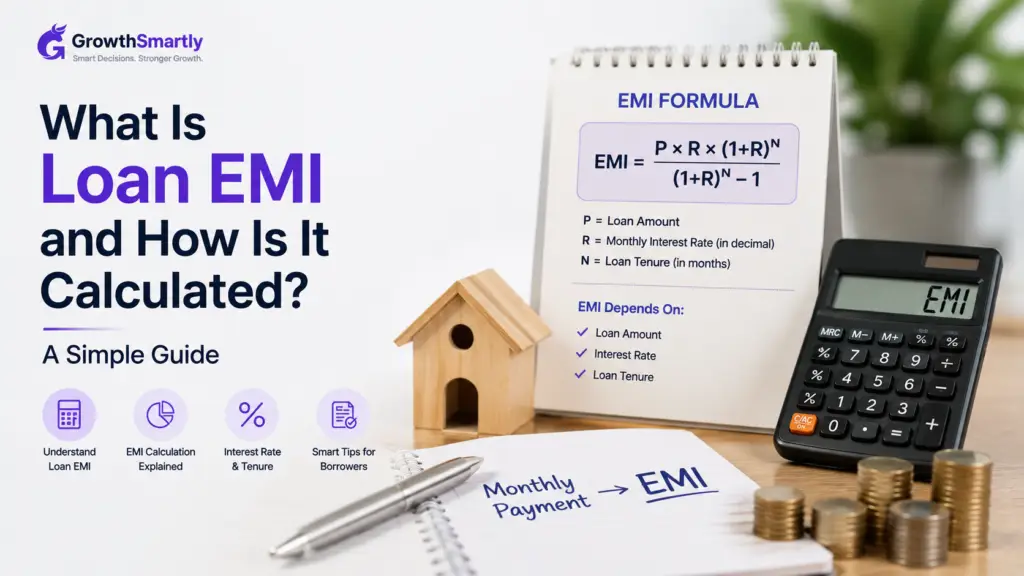
- Use a loan EMI calculator to see your actual monthly outgo and total interest paid over the tenure
Tips to Get a Better Gold Loan Interest Rate
- Compare at least 3 lenders — banks and NBFCs both, since rates can differ meaningfully for the same gold and loan amount
- Ask about your existing relationship discount if you already bank with a particular institution
- Choose the shortest tenure you can comfortably manage, since some schemes charge a slightly better rate for shorter-term loans
- Negotiate on processing fees, especially for larger loan amounts — many lenders have some flexibility here
- Avoid rolling over or renewing a gold loan repeatedly, as accumulated interest and renewal charges can make it more expensive than a smaller number of well-planned loans
Gold Loan Interest Rate vs Personal Loan Rate
Gold loans are almost always cheaper than personal loans, since the pledged gold reduces the lender’s risk. If your credit score is strong enough to get a very competitive personal loan offer, the rate gap may narrow, but a gold loan usually remains the lower-cost option for a like-for-like comparison.
Final Thoughts
Gold loan interest rates in India aren’t one-size-fits-all — they depend on whether you go to a bank or NBFC, your loan amount, repayment scheme, and even your existing relationship with the lender. Rather than accepting the first offer, compare the total cost across a few lenders, including processing fees and charges, before pledging your gold. A small difference in the quoted rate can add up meaningfully over the loan tenure.
Explore more borrowing guides on our Loans page, or read our detailed gold loan guide to understand valuation and LTV before you apply.
Frequently Asked Questions
What is the average gold loan interest rate in India?
Gold loan interest rates in India generally range from around 8% at public sector banks to the mid-twenties at some NBFCs, depending on the lender, loan amount, and repayment scheme. It’s best to compare current rates directly with lenders since they change over time.
Do banks or NBFCs offer lower gold loan interest rates?
Banks typically offer lower gold loan interest rates than NBFCs, but NBFCs usually compensate with faster disbursal, simpler documentation, and wider branch access, especially in smaller towns.
Does a higher loan amount get a lower interest rate?
Not always, but some lenders offer marginally better rates for larger loan amounts as a way to attract bigger-ticket borrowers. It’s worth asking your lender directly whether this applies to their scheme.
Is gold loan interest calculated on a reducing balance or flat rate?
This varies by lender and scheme. A reducing balance method is generally more cost-effective for the borrower over the loan tenure compared to a flat rate, so it’s worth confirming which method applies before taking the loan.
Can I negotiate my gold loan interest rate?
In some cases, yes — especially if you have an existing relationship with the lender or are comparing multiple offers. It’s worth asking, particularly at banks, though NBFC rates may have less room for negotiation.
Does my credit score affect my gold loan interest rate?
Gold loans are primarily priced based on the pledged gold, so credit score plays a smaller role than in unsecured loans. However, some lenders may still consider it for very large loan amounts or specific schemes.